
At Pelagie Foundation Ltd, our mission has always been rooted in the belief that every individual: regardless of their past, their current circumstances, or their location: deserves to be treated with absolute dignity. Whether we are providing supportive housing programs for those transitioning back into society or offering primary care behavioral health services to those struggling with mental wellness, the core of our work is "Serving with Dignity."
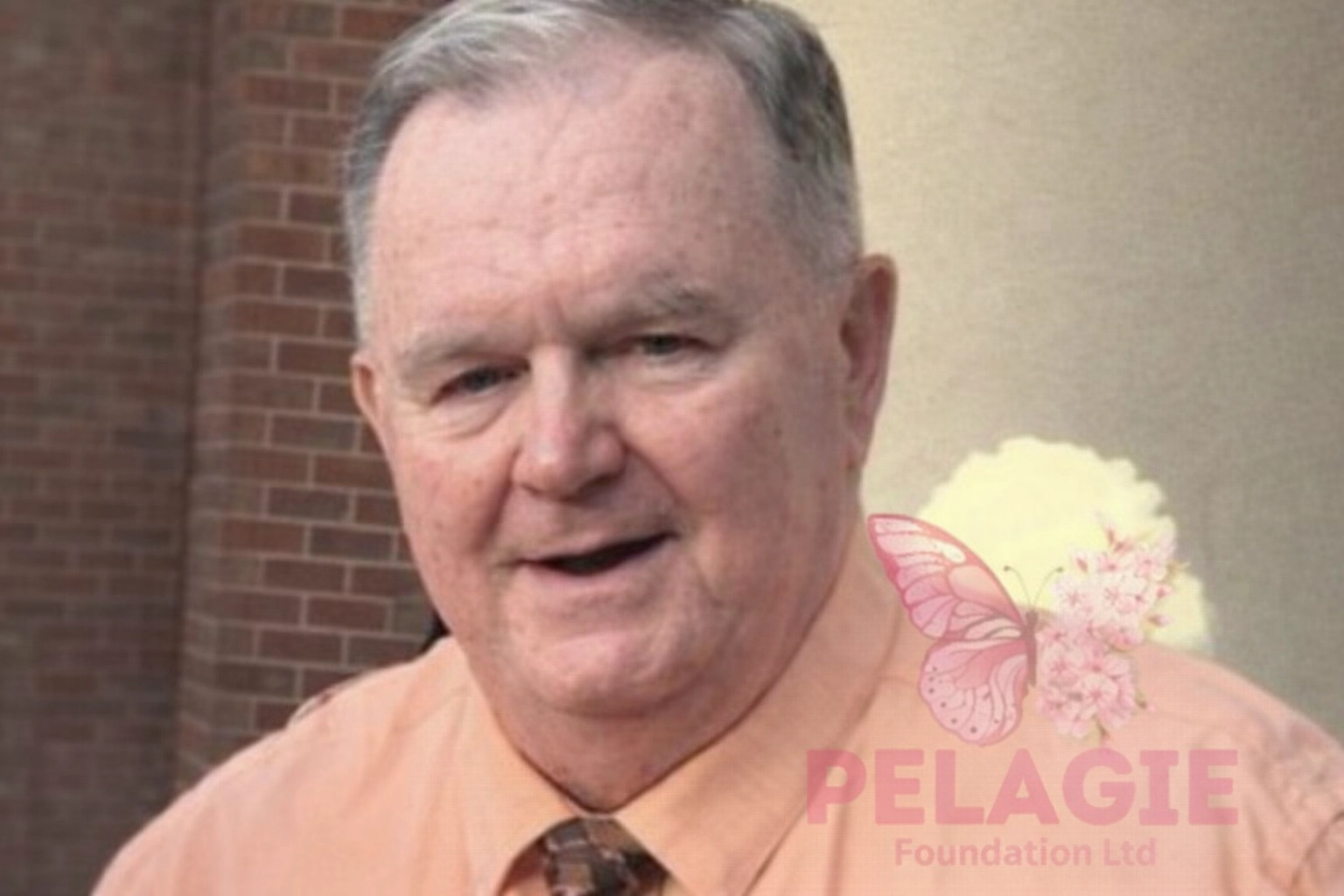
This week, we had the profound honor of sitting down with a man who lives this mission every single day in one of the most challenging environments imaginable. Chaplain Donald Oldham is an Associate Chaplain at the Liberty County Jail. His work is not just about religious service; it is about human restoration, mental health advocacy, and providing a spiritual anchor for those who the world often forgets.
In this exclusive interview, Chaplain Donald shares his journey, the reality of life inside the jail, and why he believes redemption is a cycle that never stops turning.
The Calling: From the Pew to the Prison Bay
Pelagie Foundation: Chaplain Donald, it’s a pleasure to have you. To start, tell us a bit about yourself and where you currently serve.
Chaplain Donald: Thank you for having me. My name is Chaplain Donald Oldham, and I serve as an Associate Chaplain at the Liberty County Jail. My journey here wasn’t something I planned overnight, but looking back, I can see how every step led me to this gate.
Pelagie Foundation: What was it that inspired you to step into such a demanding role?
Chaplain Donald: It was really two things: God and the right people. You can’t do this work alone, and you certainly can't do it without a calling. I attend a Pentecostal church about two miles from the jail, so the mission field was essentially in my backyard. I saw a need, and I felt the tug on my heart to be the one to answer it.
Pelagie Foundation: Was there a specific moment where you knew for sure that this was your path?
Chaplain Donald: There is a defining moment that happens quite often, actually. It’s that second when I, along with the other chaplains, put a Bible into the hands of an inmate. You see their face change. For some, it’s the first piece of hope they’ve held in years. That moment confirms the calling every single time.

A Day in the Life: Serving the "Least of These"
Pelagie Foundation: Many people have a specific image of jail from TV or movies. What does a typical day actually look like for you as a chaplain?
Chaplain Donald: Our primary work happens on Sundays, but the impact lasts all week. We go from bay to bay. We spend about twenty minutes in each section, sharing a lesson, a word of encouragement, and always: always: a prayer. We are serving incarcerated individuals who are often at their lowest point. We aren't just there to talk; we are there to be a presence.
Pelagie Foundation: How do you support someone when they are in the middle of a crisis or dealing with the trauma of incarceration?
Chaplain Donald: We do what we can to get them into a rehabilitation program. Sometimes that's through the jail’s internal systems, and other times it involves connecting them with outside sources. In those moments of trauma, they need a bridge. We try to be that bridge to the next step of their life.
Pelagie Foundation: You mention that many of the individuals you serve lack knowledge of the Word or Salvation. How do you bridge that gap, especially with people who might be skeptical of faith?
Chaplain Donald: It comes down to love and care. I often think of a quote by Chuck Colson of Prison Fellowship: "People don’t care what you know until they know you care." That is the golden rule in the jail. If they don't feel your heart, they won't hear your words.
The Power of Listening in Primary Care Behavioral Health
Pelagie Foundation: At Pelagie Foundation, we focus heavily on primary care behavioral health. How do you see the intersection of mental health and spiritual care in your work?
Chaplain Donald: In counseling, listening is the KEY. You have to integrate compassion and presence. Often, an inmate just needs someone to hear them: to acknowledge their existence without judgment. That is the beginning of behavioral change. When they feel heard, they start to open up to the idea of healing.
Pelagie Foundation: What are the most common needs you encounter?
Chaplain Donald: Aside from the spiritual need for Salvation, there is a massive emotional need. Many of these men and women feel like they are "chains of sin" that can't be broken. They need to know that redemption is possible.

Breaking the Cycle: From Inmate to Evangelist
Pelagie Foundation: Can you share a story that has stayed with you?
Chaplain Donald: Every time we share the gospel and someone receives it, it’s powerful. But the most impactful stories are the ones that happen after they leave. I’ve seen inmates get out, do something positive to stay out, and then I see the "cycle revolving." Some of those men have gone on to become Pastors and Evangelists themselves. They go back into the world to keep others from making the same mistakes. That is what true healing looks like to me: breaking the chains of sin and letting redemption take over.
Pelagie Foundation: That is incredible. It sounds like community plays a huge role in that success.
Chaplain Donald: Absolutely. Community is vital. It’s what helps an individual grow to the next level of success. Without a supportive community: whether that’s a church or a dedicated program: it’s very easy to fall back into old patterns.
The Challenges of the Field
Pelagie Foundation: What is the biggest challenge you face in your role today?
Chaplain Donald: Quite simply, there are not enough chaplains. The harvest is plentiful, but the laborers are few. There is a great need for more people to step up and help in the hour of need.
Pelagie Foundation: How do you keep yourself motivated and avoid burnout when the work is so heavy?
Chaplain Donald: My motivation is GOD. I also have the support of my church and the other chaplains. We lean on each other. Life is short, and while we are on our way up to heaven, we need to reach down, take a hand, and help someone else along.
Pelagie Foundation: How can organizations better support these services?
Chaplain Donald: It’s about using resources wisely. We need to financially fund programs that are going to make others "wealthy" in spirit and character, not just ourselves. It’s about people working together to make our world a better place.

Serving with Dignity: Advice for the Future
Pelagie Foundation: Our theme is "Serving with Dignity." What does that phrase mean to you personally?
Chaplain Donald: It means serving with the knowledge that your reward will not always come in this life. It comes in Heaven when we hear the Lord say, "Well done." It’s about treating the "least of these" as if we were doing it for Jesus Himself.
Pelagie Foundation: For someone considering becoming a chaplain or working in this field, what advice would you give them?
Chaplain Donald: Don’t do it if you are not called to do it. This isn't a job you just "try out." It requires a level of love, compassion, and care that has to come from a deeper place. You have to be willing to just be there: to lend a helping hand and a helping ear.
Pelagie Foundation: What is the legacy you hope to leave through your service?
Chaplain Donald: I want people to know that if I can do all things through Christ, then they can do it too. My message is simple: You can make a difference when God is in it.

Moving Forward with Hope
Chaplain Donald’s words remind us that the work of restoration is never finished. At Pelagie Foundation Ltd, we are inspired by his dedication to those in the Liberty County Jail. His approach to spiritual care mirrors our approach to primary care behavioral health: it starts with listening, continues with compassion, and ends with transformation.
If you or someone you know is transitioning out of the justice system and needs a fresh start, we invite you to explore our supportive housing programs. We believe in providing a safe haven where individuals can rebuild their lives with the dignity they deserve.
To learn more about how we serve our community or to join our movement, visit us at www.pelagie.org. Together, we can break the chains and build a future full of hope.
Ready to Answer the Call?
If Chaplain Donald’s story stirred something in you, and you’re feeling called to serve as a chaplain, you don’t have to figure out the next step alone. Visit www.pelagieacademy.org to get started.
"When you have done it unto the least, you have done it unto me."